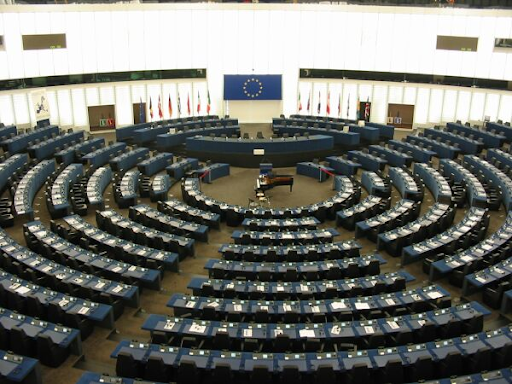
European lawmakers have taken the extraordinary step of suspending ratification of the US trade agreement following President Trump’s threat to link tariffs with his Greenland ambitions. This decisive parliamentary action represents the strongest material pushback Brussels has mounted against what several European leaders characterized as blackmail last week.
Bernd Lange, chairman of the European Parliament’s trade committee, established clear conditions for resuming negotiations, stating that threats involving Greenland must completely cease before compromise becomes possible. The frozen agreement had promised to usher in a new era of zero-percent tariffs for American industrial exports to European markets.
Despite the suspension, European officials emphasized that the commitment to purchase $750 billion in US energy remains fully intact. Lange confirmed this energy deal operates under separate arrangements and continues unaffected by the trade agreement freeze, demonstrating Brussels’ nuanced approach to the crisis.
The deteriorating state of transatlantic relations became evident when European Commission President Ursula von der Leyen changed her post-parliamentary plans, foregoing a Davos detour that could have resulted in a Trump meeting. Instead, she returned immediately to Brussels to coordinate preparations for an emergency summit scheduled for Thursday at 7pm.
The emergency gathering will examine Brussels’ full range of options should Washington proceed with tariff implementation. These include deploying €93 billion worth of counter-tariffs on American exports and potentially activating an anti-coercion instrument designed originally to counter Chinese economic pressure. This nuclear option could restrict US businesses from accessing European markets, potentially targeting companies from Apple and Netflix to agricultural exporters, though European officials recognize consumers might face higher costs or service restrictions.