British manufacturers exporting to the European Union are facing an imminent administrative challenge after the government’s failure to secure a carbon tax exemption before the Christmas deadline. Starting in January, businesses will need to comply with the carbon border adjustment mechanism’s extensive documentation requirements, affecting £7 billion in exports and echoing the paperwork surge that followed Brexit.
The anticipated exemption, which UK officials hoped to finalize before year-end, has been definitively rejected by EU commissioners for implementation before Christmas. Industry experts now predict the carve-out won’t be achieved until at least Easter 2025, leaving a months-long gap during which exporters must provide detailed carbon emission records for their manufacturing processes. This requirement covers numerous products made with steel and aluminium, household appliances, automotive components, fertilizer, cement, and energy exports, as confirmed in Brussels announcements this week.
Political timing proved a significant obstacle to achieving the hoped-for exemption. The European Union only approved its negotiation mandate in early December, making any rapid agreement impossible without extraordinary high-level political coordination across all 27 member states—many of whom have limited investment in UK-specific trade arrangements. Manufacturing trade body Make UK has warned the forthcoming paperwork will be “extensive” and severely impact businesses, particularly smaller operations with limited administrative resources.
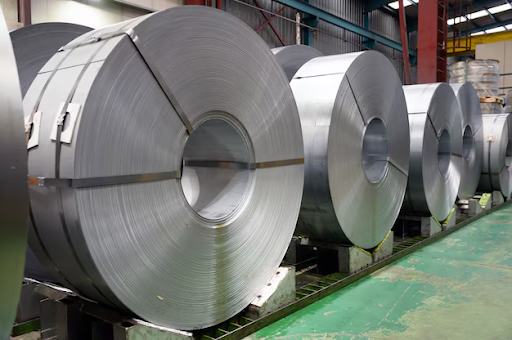
The steel sector faces particular vulnerability to these new requirements. Although the tax rate—€13 per tonne for hot rolled wire costing approximately €650 per tonne—might appear modest in absolute terms, industry dynamics make even small cost increases critical. According to UK Steel’s Frank Aaskov, the sector operates in a “ruthless” environment where Chinese import competition is fierce, and contract decisions often hinge on cost differences as small as €5 per tonne. This administrative and financial burden arrives atop existing challenges, including 50% EU steel tariffs introduced earlier this year.
Negotiations between the UK and EU will now proceed through a formal two-stage process, beginning with discussions to establish terms of reference before moving to emissions trading system compatibility. While actual tax payments won’t be required until 2027—and could potentially be cancelled if an agreement is reached—the immediate paperwork requirements begin in January. EU Climate Commissioner Wopke Hoekstra has described conversations with UK counterparts as positive and suggested immediate costs will be minimal given Britain’s decarbonization progress, but emphasized the importance of following proper procedural steps. British government representatives continue to prioritize securing a carbon linking agreement to protect the £7 billion export market from these charges.