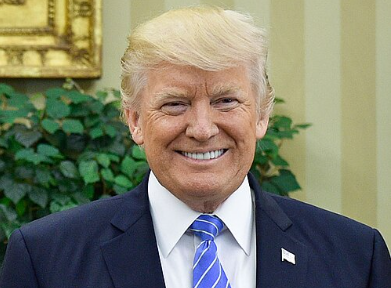
Framing his latest economic policy as a corrective measure against the previous administration, Donald Trump has announced a one-year cap on credit card interest rates, limiting them to 10%. In a fiery post on Truth Social, Trump explicitly blamed the “Sleepy Joe Biden Administration” for allowing rates to fester unimpeded, reaching levels of 20% to 30%. He declared that starting January 20, his administration would ensure the American public is no longer taken advantage of by credit card companies.
The announcement taps into widespread frustration regarding the cost of living and debt. Data shows that American credit card debt has reached record highs, climbing to over $1.17 trillion. By targeting interest rates, Trump is revisiting a promise made during his second campaign, aiming to deliver financial relief to his base. The January 20 implementation date is symbolic, coinciding with the one-year anniversary of his current term, which he described as “historic and very successful.”
However, the proposal faces steep opposition from economic heavyweights and industry insiders. Bill Ackman, a hedge fund manager who generally supports Trump, initially deleted a tweet calling the move a mistake before reposting a more nuanced concern. Ackman warned that capping rates at 10% would destroy the economics of subprime lending, leading companies to cancel millions of credit cards to avoid losses. This highlights the tension between Trump’s populist economic goals and the realities of market mechanics.
Political opponents are also skeptical, though for different reasons. Senator Elizabeth Warren dismissed the announcement, arguing that Trump is “begging” companies rather than legislating change. She pointed out that Trump has spent time trying to dismantle the Consumer Financial Protection Bureau, the very agency designed to police such issues. Meanwhile, Senator Bernie Sanders, who had just criticized Trump for inaction, effectively saw his own policy ideas co-opted by the President, though questions of implementation remain unanswered.
Despite the controversy, the move signals Trump’s willingness to intervene directly in financial markets to achieve populist outcomes. Whether the cap can be enforced without Congressional approval is a major uncertainty. If successful, it would mark a significant shift in how the government regulates consumer credit; if it fails, it may be remembered as a symbolic gesture that clashed with the rigid structures of the banking world.