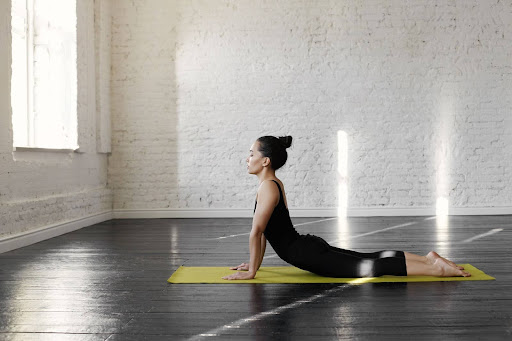
The modern lifestyle presents unprecedented challenges to spinal health, with technology and sedentary work creating conditions that our bodies weren’t designed to handle. Back pain has become so commonplace that many individuals view it as a normal part of adult life rather than a signal of underlying dysfunction. A yoga specialist dedicated to corrective movement patterns offers a different perspective, demonstrating that simple daily practices can dramatically transform back health and overall physical wellbeing.
Understanding the spine’s role as the body’s foundational support structure helps explain why back problems create such wide-ranging consequences. When this central system weakens or misaligns, the effects extend far beyond localized discomfort, influencing everything from breathing capacity to digestive function to emotional state. The instructor emphasizes that investing attention in back health yields returns across virtually every dimension of physical and mental wellness.
The expert identifies multiple compelling reasons to prioritize spinal care immediately. Proper back alignment directly combats the postural distortions created by screen time and desk work, allowing individuals to reclaim their natural height and confident carriage. Strong back muscles provide essential support that protects the entire skeletal system from injury during both exercise and routine daily movements. The back’s integration with core musculature means that developing genuine functional strength requires attention to posterior chain muscles that often receive less focus than their anterior counterparts.
Enhanced back stability creates tangible performance improvements across all physical activities, from basic tasks like grocery shopping to advanced athletic pursuits. This stability translates to more efficient force production and better movement economy, meaning less energy expenditure for equivalent results. Additionally, proper spinal alignment creates space within the ribcage for fuller breathing patterns while enabling smoother, more fluid movement throughout the entire body.
To support these goals practically, the instructor provides specific postural guidelines for both standing and sitting positions. Her standing technique involves a five-step sequence that optimizes weight distribution and alignment from feet to head, creating a stable, sustainable posture that can be maintained during both stillness and walking. For seated positions, she recommends strategic support placement that respects the spine’s natural curves while preventing the collapsed positioning that develops during prolonged sitting. She also shares two wall-based exercises that systematically strengthen back muscles and improve shoulder mobility. The first creates a sustained stretch that opens the entire posterior chain, while the second incorporates dynamic movement that enhances flexibility alongside strength. Together, these interventions form an accessible, comprehensive approach to transforming spinal health through consistent daily practice.