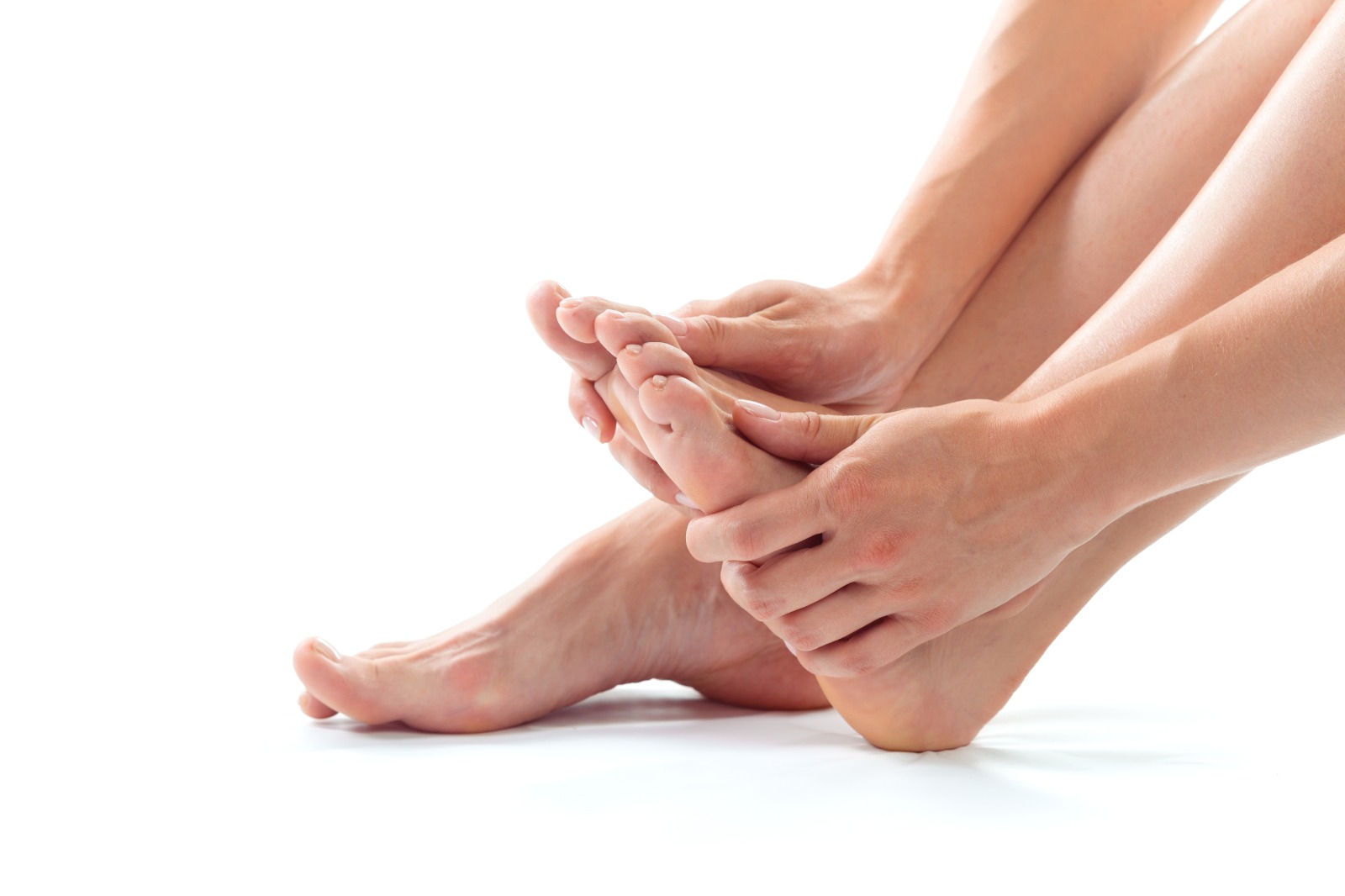
After a full day of work, standing for hours, or traveling on a long flight, swollen legs feel almost expected. The body has been working hard, gravity has been doing its relentless work, and the ankles pay the price. But vascular medicine specialists are drawing an important distinction between the kind of swelling that resolves overnight with rest and the kind that keeps coming back, signaling something that demands closer medical attention.
The venous system in the lower body operates under unique physiological pressure. Unlike arteries, which benefit from the powerful pumping action of the heart, veins rely on a combination of muscular contractions, breathing movements, and one-way valves to propel blood upward. When any component of this system underperforms, blood stagnates. The resulting swelling may initially mirror normal fatigue-related puffiness, making it easy to dismiss.
The difference becomes apparent over time. Fatigue-related swelling resolves completely with a good night’s rest and legs elevated above the heart. Swelling caused by venous dysfunction does not fully resolve. Each morning, the legs may feel somewhat better, but they never quite return to normal. The swelling grows progressively more persistent, and additional symptoms begin to appear — aching, heaviness, skin changes, or the development of visible varicose veins.
As the condition progresses, the stakes increase substantially. Reduced blood flow to the tissues of the leg creates an environment where even minor injuries become major problems. A small cut or abrasion that would normally heal in a week may instead become an open wound that persists for months. Bacteria exploit the opportunity, causing infections that spread through already-compromised tissue and demand aggressive treatment.
The development of deep vein thrombosis is perhaps the most immediately dangerous outcome of untreated venous disease. Clots can form in veins that are already struggling to function, and once formed, they pose a direct risk to life. Medical experts recommend that anyone whose leg swelling does not fully resolve with rest seek professional evaluation. A simple ultrasound examination can identify venous problems early and set the stage for treatment that prevents serious complications.