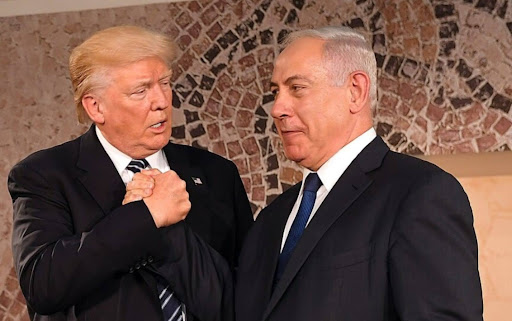
The question of whether the United States had prior knowledge of Israel’s strike on Iran’s South Pars gas field became one of the more consequential factual disputes of the conflict. US President Donald Trump’s social media post claiming “the US knew nothing” was followed quickly by reporting from multiple sources indicating that Washington did have advance knowledge of Israeli plans, and that targets are coordinated between the two militaries. The contradiction has not been cleanly resolved — and it continues to raise questions about the transparency of both governments’ public statements.
The significance of the question extends beyond curiosity about one specific incident. If Washington knew about the strike and Trump claimed otherwise, it raises questions about the reliability of American public statements regarding its alliance operations. If Washington did not know — despite ongoing target coordination — it raises questions about the adequacy of that coordination and the extent to which Israel truly operates within jointly agreed parameters. Either answer has significant implications.
US officials tried to reconcile the contradiction by stressing that target coordination is ongoing while maintaining that American strategy is independent of Israeli preferences. The combination allowed for prior knowledge without endorsement — a distinction that is real but also somewhat difficult to sustain publicly. The need to make that distinction was itself evidence that the “we knew nothing” post was at minimum imprecise.
Israeli Prime Minister Benjamin Netanyahu confirmed acting alone, a characterization consistent with Trump’s claimed ignorance but somewhat in tension with the reports of coordination. His “acted alone” framing was designed to take responsibility for the decision while leaving open the question of how much advance information the US actually had. The result was a public record in which both leaders’ accounts contained enough ambiguity to resist clean resolution.
The question of prior knowledge matters for how the alliance is understood — by Gulf allies, by Iran, by global observers, and by domestic audiences in both countries. Alliances that manage information strategically can sustain functional operations, but they pay credibility costs when the management is visible. The South Pars episode imposed those costs, and the “did Washington know?” question will continue to surface as the conflict generates more incidents that require explanation.