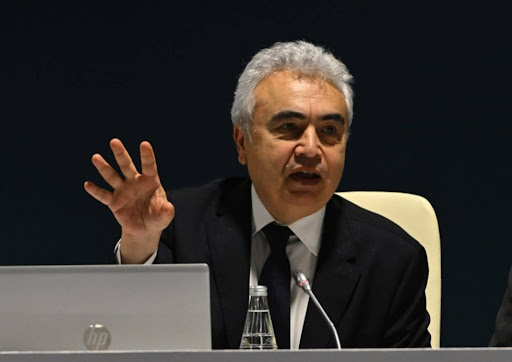
If the Strait of Hormuz remains closed through the second quarter of 2026, global oil prices could spike to levels that would cause serious economic damage, the head of the International Energy Agency has warned. Fatih Birol, speaking in Canberra, said strategic reserve releases and demand-side measures were helping to cushion the impact for now, but their effectiveness would diminish if the crisis persisted. He described the overall situation as equivalent to the combined force of the 1970s twin oil shocks and the Ukraine gas emergency.
The Hormuz strait, through which approximately 20 percent of global oil supply flows, has been closed to commercial shipping following attacks on vessels. Combined with daily oil losses of 11 million barrels and gas losses of 140 billion cubic metres from the broader Iran conflict, the closure has created the most severe energy supply disruption in modern history. At least 40 Gulf energy facilities have been severely damaged, making supply restoration a long-term challenge.
The IEA released 400 million barrels from strategic reserves on March 11 — representing just 20 percent of available stocks — in its largest ever emergency action. Birol confirmed that further releases were under consideration and that consultations with governments across Europe, Asia, and North America were ongoing. Demand-side measures including remote work, lower speed limits, and reduced flights were also being implemented.
Asia-Pacific nations have been most severely hit by the Hormuz closure, with Japan indicating it could contribute minesweeping military assets if a ceasefire is achieved. European markets have seen diesel and jet fuel supplies tighten, while Canada and Mexico’s increased output may offer partial relief. Birol said changes to supply chains for petrochemicals, fertilizers, sulfur, and helium were also adding to the economic pressure.
Trump’s 48-hour ultimatum to Iran to reopen the strait expired without resolution, and Tehran threatened retaliatory strikes on US and allied energy and water infrastructure. Birol met with Australian Prime Minister Anthony Albanese and urged coordinated global action. He warned that the window for preventing serious long-term economic damage was narrowing with each passing day that the strait remained closed.