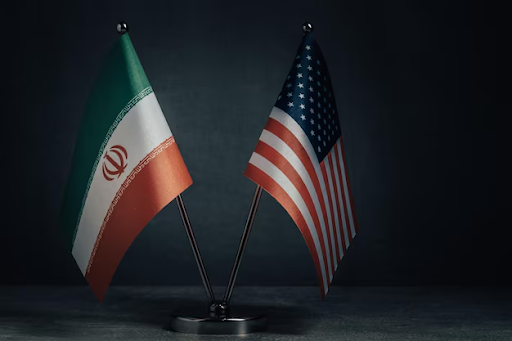
Oman’s quiet diplomacy took center stage again on Tuesday as it hosted a second round of indirect Iran-US nuclear talks in Geneva, with Tehran reporting that the session ended on a more positive note than the first. Iranian officials said both sides had agreed on general guiding principles and were now moving toward exchanging draft agreement texts.
The talks focused primarily on how Iran might wind down its most sensitive nuclear activities — particularly its stockpile of 60% highly enriched uranium — in exchange for sanctions relief. Iran offered to downblend this material, reducing it to levels appropriate for civilian use, and proposed expanded cooperation with IAEA inspectors at bombed nuclear sites.
The US side did not immediately issue a statement, but was expected to continue its military buildup near the Gulf before the next round of talks in approximately two weeks. President Trump has simultaneously praised Iran’s willingness to negotiate and underscored US military readiness in the region, leaving observers uncertain about Washington’s ultimate intentions.
Iran’s red lines were clearly drawn: no discussion of its ballistic missile capabilities, no ceding of domestic enrichment rights, and no acceptance of a deal that strips Iran of civilian nuclear energy. Supreme Leader Khamenei reinforced this position publicly, warning that Iran would not enter into any “foolish pre-determined negotiation.”
The diplomatic proceedings unfolded against a tense domestic backdrop in Iran, where memorial ceremonies for protest victims drew vast crowds and the judiciary revealed that over 10,000 demonstrators had been summoned for trial. Reformist politicians faced arrest, and reports of physical coercion to extract confessions drew widespread condemnation.