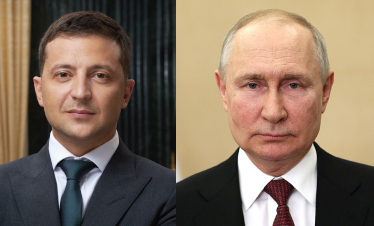
Russian Foreign Minister Sergei Lavrov escalated international tensions by accusing Ukraine of attempting to assassinate President Putin through a coordinated drone attack on his official residence. The allegations, which Ukraine vehemently denies, threaten to derail nascent peace initiatives and have prompted promises of Russian military retaliation.
According to Lavrov’s account, Ukrainian military forces launched 91 long-range unmanned aerial vehicles at the presidential compound located in Russia’s Novgorod region over a two-day period. Speaking to media outlets, he characterized the operation as both reckless and terroristic, warning that Russia would respond decisively. The Foreign Minister stressed that such provocative actions would necessitate a thorough reassessment of Moscow’s willingness to compromise in negotiations.
Volodymyr Zelensky rejected the entire Russian narrative as fabricated, accusing Moscow of laying groundwork for attacks on Ukrainian government facilities in Kyiv. The Ukrainian president emphasized that his country remains committed to diplomatic solutions and avoids actions that could undermine peace processes. He contrasted this with what he described as Russia’s consistent pattern of using false accusations to justify aggression.
Russian defense officials claimed their systems successfully intercepted all incoming drones, preventing any damage to the presidential property. Despite this reported success, Lavrov indicated that the mere attempt warranted significant retaliation. He confirmed that Russian armed forces had identified specific targets for counterstrike operations, though he provided no timeline or additional details about potential military action.
The timing of these accusations has intensified concerns about the viability of ongoing diplomatic efforts. Zelensky specifically mentioned coordination with President Trump’s team as potentially threatened by Russian manipulation of events. He called on the international community to actively counter Russian disinformation rather than remaining silent, arguing that Moscow’s tactics require consistent public exposure to prevent them from succeeding in their intended purpose of disrupting peace initiatives.