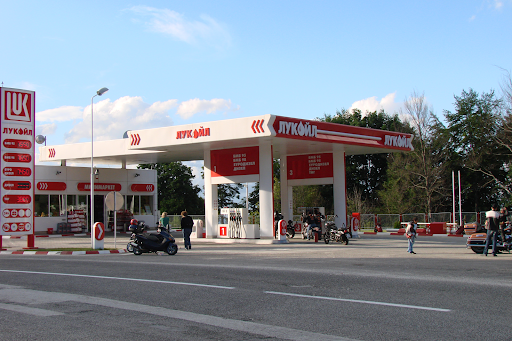
The economic dimension of the war has taken center stage as Ukraine strikes Russian oil assets in the Caspian Sea, specifically targeting facilities owned by the energy major Lukoil. The V. Filanovsky, Yuri Korchagin, and Valery Grayfe platforms were identified by the General Staff of the Armed Forces of Ukraine as the primary targets of this latest offensive. These platforms sustained direct hits, a development that poses a serious threat to Russia’s ability to maintain its oil export levels. The objective is clear: to weaken Russia’s economic capacity to fund its war effort by physically destroying the infrastructure that generates its wealth.
This attack serves as a follow-up to multiple targeting attempts made in December, indicating a persistent Ukrainian interest in disabling these specific nodes of Russia’s energy network. While the full extent of the damage is currently being assessed, the operational tempo suggests that Ukraine is committed to a campaign of attrition against Russian energy infrastructure. This strategy parallels Russia’s own campaign against Ukrainian power grids, which has left many without electricity or heat. It is a mutually destructive strategy where energy infrastructure has become as critical a target as any military base or troop concentration.
In addition to the economic strikes, Ukrainian military precision was on display in the Luhansk region. A Russian Buk-M3 missile launcher, a sophisticated piece of air defense technology, was destroyed in a targeted strike. The loss of such a system is significant for Russian forces, as it reduces their ability to protect ground troops from aerial threats. Preliminary reports of multiple explosions at the site suggest the complete destruction of the unit. Furthermore, a strike on a warehouse in Kherson aimed at a material and technical support unit further degrades the logistical backbone of the Russian occupation forces.
The intensity of the conflict is also escalating within Russia’s own borders. In Voronezh, a city in southwestern Russia, local officials reported a deadly drone strike. Governor Alexander Gusev stated that while 17 drones were neutralized, the attack still resulted in one death and four injuries. He characterized it as one of the largest drone attacks on the city since the war began. This demonstrates that Ukraine is not only defending its own territory but is actively taking the fight to Russian cities, increasing the political and social cost of the war for the Kremlin.
The targeting of the shadow fleet, refineries, and now offshore platforms indicates that Ukraine has developed a sophisticated understanding of Russia’s economic vulnerabilities. By hitting Lukoil’s assets, they are targeting the crown jewels of the Russian economy. As the damage assessment continues, the focus will likely remain on how quickly Russia can repair these facilities and whether Ukraine can sustain this level of deep-strike capability against such well-defended and remote targets.