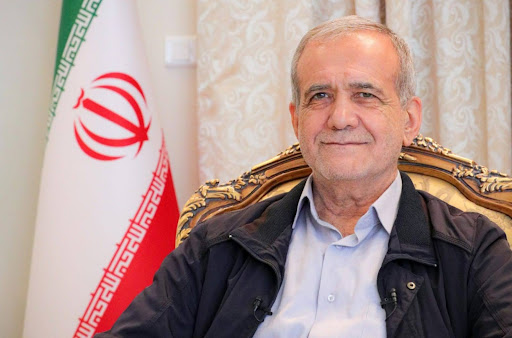
Iranian President Masoud Pezeshkian has simultaneously issued a warning and opened a window for peace in his latest message to Gulf nations, linking their security and development to their decision about hosting enemy military operations. His statement, made more than a month into the Iran-US conflict, reflects the dual nature of Tehran’s current approach: maintaining military pressure while leaving the door open for diplomatic resolution. Iran is clearly pursuing a strategy that preserves its options while applying maximum pressure.
Gulf nations including Saudi Arabia, the UAE, Kuwait, Qatar, and Oman have been drawn into the conflict through the US military presence on their soil. American operations against Iran launched from these countries have triggered Iranian retaliatory strikes on those same host nations. The cycle of violence has created a deeply unstable regional environment.
Pezeshkian posted on X to communicate Iran’s core military position: no preemptive strikes, but guaranteed and powerful retaliation for any attack on Iranian infrastructure or economic assets. He then opened a window for peace by urging Gulf leaders to deny enemy forces access to their territory, framing this as the path to development and security. The dual nature of the message was carefully calibrated.
Pakistan’s diplomatic role has grown considerably in the context of the conflict, with Prime Minister Shehbaz Sharif serving as a reliable and effective intermediary. Sharif’s discussions with Pezeshkian revealed that Iran sees trust as the essential foundation for any meaningful peace talks. Pakistan’s balanced approach has been praised by Tehran, strengthening Islamabad’s standing as a credible mediator.
A multilateral diplomatic meeting in Pakistan is gathering foreign ministers from Saudi Arabia, Egypt, and Turkey for intensive consultations on the conflict. Their discussions with Pakistani Foreign Minister Ishaq Dar and Prime Minister Sharif aim to identify practical pathways to de-escalation. The talks are being widely described as a critical diplomatic opportunity.