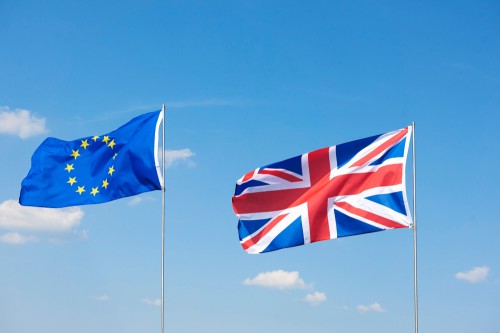
The UK government is considering the establishment of a single market for goods with the European Union as a strategy to enhance post-Brexit trade relations and stimulate economic growth. This proposal was recently a topic of discussion among senior UK officials during meetings in Brussels, aimed at fostering better economic collaboration with the EU. However, the idea met with limited enthusiasm from European officials, who instead proposed alternatives such as a customs union or joining the European Economic Area (EEA).
Despite these suggestions, the UK government remains firm on not re-entering the EU single market, customs union, or accepting the free movement of people, making the proposed alternatives politically unfeasible. In light of these challenges, both the UK and EU are preparing for an upcoming summit in July, where they aim to concentrate on several pragmatic agreements. These include a veterinary and food standards agreement to facilitate agricultural trade, the integration of carbon emissions trading systems, and the development of a youth mobility initiative for educational and work opportunities.
Additionally, the UK is seeking to enhance cooperation in various sectors such as defense, steel, electric vehicles, and technology. British officials are hopeful that improved trade arrangements could bolster long-term economic growth and fortify industrial collaboration across Europe. However, EU representatives are cautious about granting the UK special access to the single market, expressing concerns that such a move might embolden Eurosceptic sentiments in other European nations.
As the July summit approaches, negotiations between the UK and EU continue. Both sides are working diligently to find common ground and explore possibilities that could lead to mutually beneficial agreements. The outcome of these discussions could play a crucial role in shaping the future of UK-EU economic relations and cooperation.