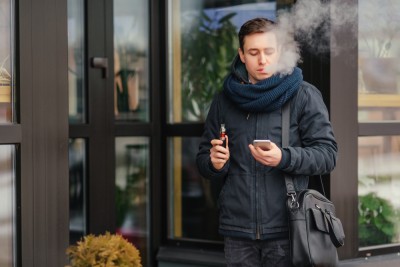
While vaping is often considered a less harmful alternative to smoking, health specialists caution that nicotine-containing e-cigarettes can still pose risks, including adverse effects on the skin. Recent findings indicate that vaping could disrupt the skin’s natural ability to heal, potentially leading to inflammation and acne.
Medical experts highlight that nicotine causes the constriction of small blood vessels throughout the body, which diminishes the supply of oxygen and nutrients to the skin. Adequate blood flow is crucial for the repair of acne lesions, minor injuries, irritation, and other types of skin damage. A reduced blood supply can result in prolonged healing times for the skin.
Furthermore, vaping may expose individuals to chemicals that elevate oxidative stress and inflammation levels. These factors can contribute to a lackluster skin appearance and may exacerbate acne or complicate the management of existing breakouts for some individuals.
Although the relationship between vaping and acne is still under investigation, experts stress that vaping should not be singled out as the sole cause of skin issues. Hormonal changes, dietary choices, genetic predispositions, and skincare practices also significantly influence skin health. However, for those who maintain a consistent skincare regimen yet still suffer from chronic inflammation, delayed healing, or persistent breakouts, it may be worth considering whether nicotine use is a contributing factor.
Healthcare professionals emphasize the importance of internal factors such as circulation, inflammation, and tissue repair capabilities in maintaining healthy skin, alongside the use of external skincare products.