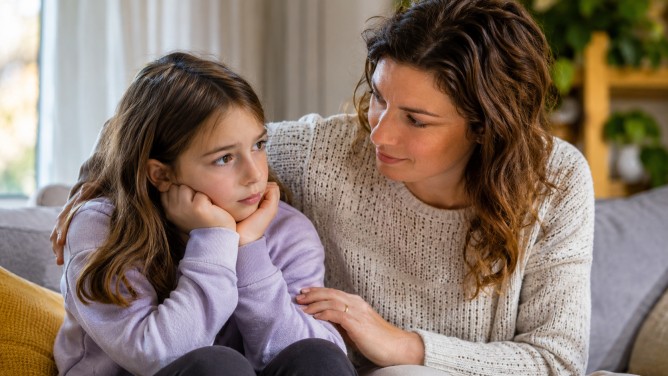
Recognizing anxiety in children is crucial for providing the support they need to manage their emotions effectively. Anxiety is not limited to adults and teenagers; children can also experience fear, emotional pressure, and persistent worry. Often, these feelings may manifest in ways that are not immediately obvious, making it important for parents and caregivers to stay vigilant to behavioral changes.
One of the common indicators of childhood anxiety is frequent physical complaints. Children might regularly report stomach pain, headaches, or nausea, especially before attending school or engaging in new activities. These symptoms should not be dismissed outright, as they can be physical manifestations of emotional stress.
Behavioral changes can also signal anxiety. Children might become unusually irritable, emotionally sensitive, or overly dependent on their parents. Some may resist sleeping alone, have difficulty with bedtime routines, or become upset over minor issues. A noticeable loss of interest in activities they once enjoyed or avoiding social interactions are additional signs that anxiety might be present.
Furthermore, anxiety can disrupt a child’s sleep and concentration. Persistent worrying can lead to difficulties in falling asleep or staying asleep, affecting their ability to focus on schoolwork. Children might repeatedly ask questions or seek reassurance as a way of coping with uncertainty.
Various factors, including academic pressures, busy schedules, social challenges, and family dynamics, can contribute to childhood anxiety. Exposure to family disagreements or tension at home, even if parents believe their children are unaware, can also have an emotional impact.
Parents can play a pivotal role in helping their children manage anxiety by fostering a supportive environment. Encouraging open conversations about feelings using simple language, maintaining regular routines, and spending quality time together are foundational practices. Listening without judgment and balancing academic responsibilities with relaxation and playtime are also beneficial. Limiting excessive screen exposure is recommended to support healthy development.
Should anxiety persist or significantly affect a child’s daily life, seeking guidance from a qualified child mental health professional is advised. By responding with patience, reassurance, and consistent support, parents can help their children build confidence in expressing their feelings and navigating challenging situations.