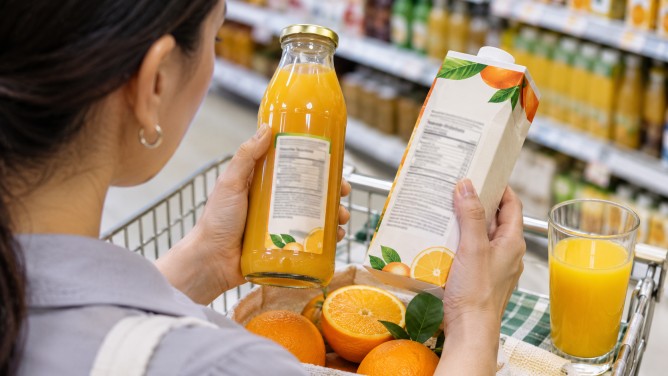
Navigating the supermarket aisles can be confusing when it comes to choosing between 100% fruit juice and other fruit-based beverages. While packaging often appears similar, the nutritional content of these drinks can differ significantly, making it important for consumers to understand what they are purchasing.
Drinks labeled as 100% fruit juice contain juice directly from the fruit or from concentrate. However, these beverages still contain natural sugars and typically have less fiber than whole fruits, as much of the pulp is removed during processing. Fiber is essential for digestion and helps moderate sugar absorption, which is why consuming whole fruits like oranges or apples can offer more health benefits.
In contrast, other fruit beverages, such as fruit nectars and fruit-flavored drinks, often contain added water, sweeteners, and flavorings, with variable fruit content. For example, fruit nectar combines fruit pulp or juice with water, while fruit-based drinks may have a lower percentage of actual fruit juice, relying on sweeteners and other ingredients for taste.
To make healthier choices, consumers should pay attention to the percentage of fruit content listed on packaging, as well as the order of ingredients. If water or sugar appears before fruit ingredients, the beverage likely contains less fruit. Checking the nutrition label for total sugar content, including naturally occurring and added sugars, is also crucial.
Marketing claims such as “natural” or “no added sugar” can be misleading, as they do not necessarily indicate superior nutritional quality. Serving size is another factor; larger portions can lead to higher sugar intake than anticipated, which is especially important for those managing conditions like diabetes.
Ultimately, whole fruits remain the preferred choice for most people, offering more fiber and nutrients than their juiced counterparts. Incorporating more fresh fruits into meals and snacks can promote better health outcomes, while fruit juice should be consumed in moderation, with recommended servings around 150 ml.
Understanding the differences between 100% fruit juice and other fruit beverages can guide more informed purchasing decisions. By scrutinizing labels and ingredient lists, consumers can better align their choices with their health goals.