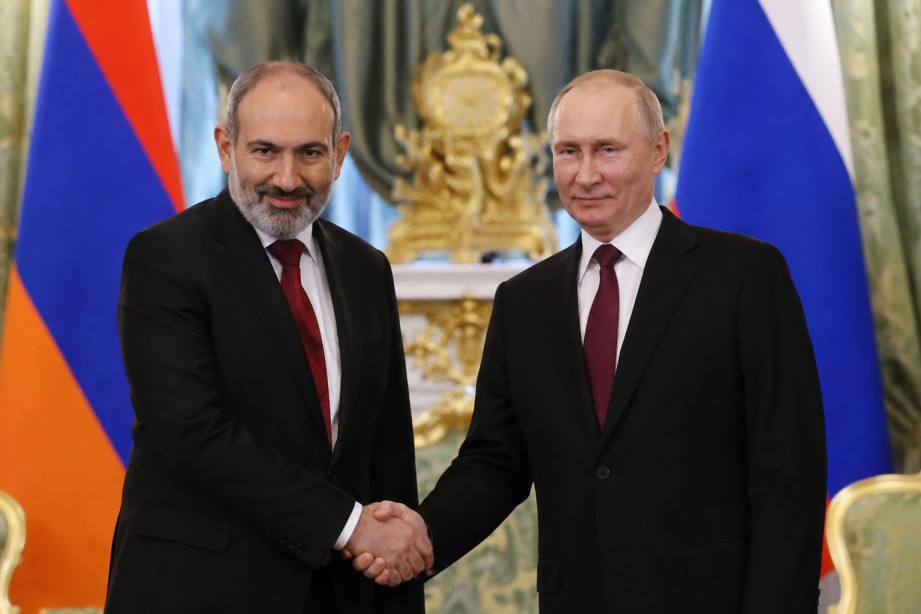
Armenian Prime Minister Nikol Pashinyan has embarked on his inaugural visit to Russia since securing re-election, marking a significant engagement in Yekaterinburg. The visit’s primary focus is attending the annual Innoprom industrial exhibition, alongside engaging in discussions with Russian Prime Minister Mikhail Mishustin. This trip is set against a backdrop of ongoing tensions between Armenia and Russia, following Russia’s recent restrictions on the import of several Armenian products due to alleged health and safety issues. These restrictions have been a point of contention for Armenia, which asserts that the measures have adversely impacted its economy and trade.
During his visit, Pashinyan underscored Armenia’s dedication to nurturing its relationship with Russia, highlighting the nation’s ongoing involvement in the Eurasian Economic Union (EAEU). Despite acknowledging the existence of unresolved bilateral issues, Pashinyan expressed optimism that the forthcoming discussions could pave the way for resolving these critical concerns. His statements reflect Armenia’s strategic balancing act, as it seeks to maintain productive relations with both Russia and other international partners.
The relationship between Armenia and Russia has experienced increasing strains since the 2023 conflict in Nagorno-Karabakh, a region that has historically been a flashpoint in the South Caucasus. In the aftermath of the conflict, Armenia has been actively seeking to bolster its ties with the European Union, endeavoring to strike a delicate balance between its Western aspirations and its longstanding ties with Moscow. This diplomatic tightrope walk underscores the complexities of Armenia’s foreign policy amid shifting geopolitical dynamics.
Pashinyan’s visit to Russia is not only about addressing trade disputes but also about reaffirming Armenia’s strategic alliances within the region. The significance of this visit is further amplified by Armenia’s economic considerations, as it navigates the challenges posed by Russian import restrictions. The ongoing dialogue between Yerevan and Moscow is crucial, as both sides aim to find common ground on contentious issues that have strained their historically close relationship.
As Pashinyan engages with Russian leadership, the outcome of these discussions could have far-reaching implications for Armenia’s economic stability and regional diplomacy. Both countries appear to recognize the importance of maintaining dialogue, even as each pursues its own strategic objectives. In a rapidly changing regional landscape, Armenia’s diplomatic engagements with Russia remain a vital component of its broader foreign policy strategy.