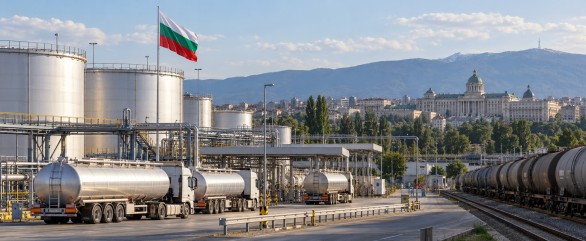
The lifting of Bulgaria’s restriction on the export and intra-EU supply of petroleum products is anticipated to have significant implications on both domestic fuel prices and supply. The decision, taken by Bulgaria’s National Assembly on September 23, 2026, removes a measure that had been in place since October 2025, originally aimed at addressing supply risks.
Deputy Economy Minister Mihaela Karadimova justified the repeal by stating that the initial risks had been mitigated and that the restriction was causing unnecessary administrative burdens for fuel companies. She reassured that Bulgaria currently has adequate fuel reserves, ensuring no shortage in the local market. However, concerns have been raised by opposition lawmakers who argue that ending the restriction could exacerbate the already rising domestic fuel prices and pressure on supply.
This decision arrives amid escalating fuel costs in Bulgaria, which recorded a 34.5% annual increase in fuel prices in August 2026, the steepest rise among EU nations for that month. As of September 23, the price for A95 petrol in Bulgaria was approximately €1.69 per litre, with diesel at around €1.95 per litre. These figures highlight the growing economic strain on Bulgarian consumers.
Opposition members have called for measures to ensure that adequate fuel quantities remain available for Bulgarian consumers, amid fears that unrestricted exports could lead to supply constraints domestically. The restriction had been a deviation from the EU principle of free movement of goods, and its removal is being closely watched by both industry stakeholders and consumers.